## Domain Analysis and Digital Resources in Modern Cybersecurity
Cybersecurity has shifted from a perimeter problem to a data problem. In 2024, the average global cost of a data breach reached $4.88 million, according to IBM’s *Cost of a Data Breach Report*, and attackers increasingly exploit weakly managed domains, expired certificates, shadow IT, and overlooked web assets. That is why **Domain Analysis** has become a practical discipline rather than a niche technical exercise. It helps security teams understand what internet-facing assets exist, who controls them, how they are configured, and where the attack surface is quietly expanding. A few years ago, many organizations treated domain inventories as a registrar task. Today, they are part of security operations, compliance, and brand protection. The reason is simple: domain names are not just website addresses. They are entry points for phishing, business email compromise, malware delivery, fake login portals, and reputation abuse. Verizon’s 2024 Data Breach Investigations Report showed that phishing and social engineering remain among the most common initial access vectors, and domain lookalikes are still one of the easiest ways to deceive users. 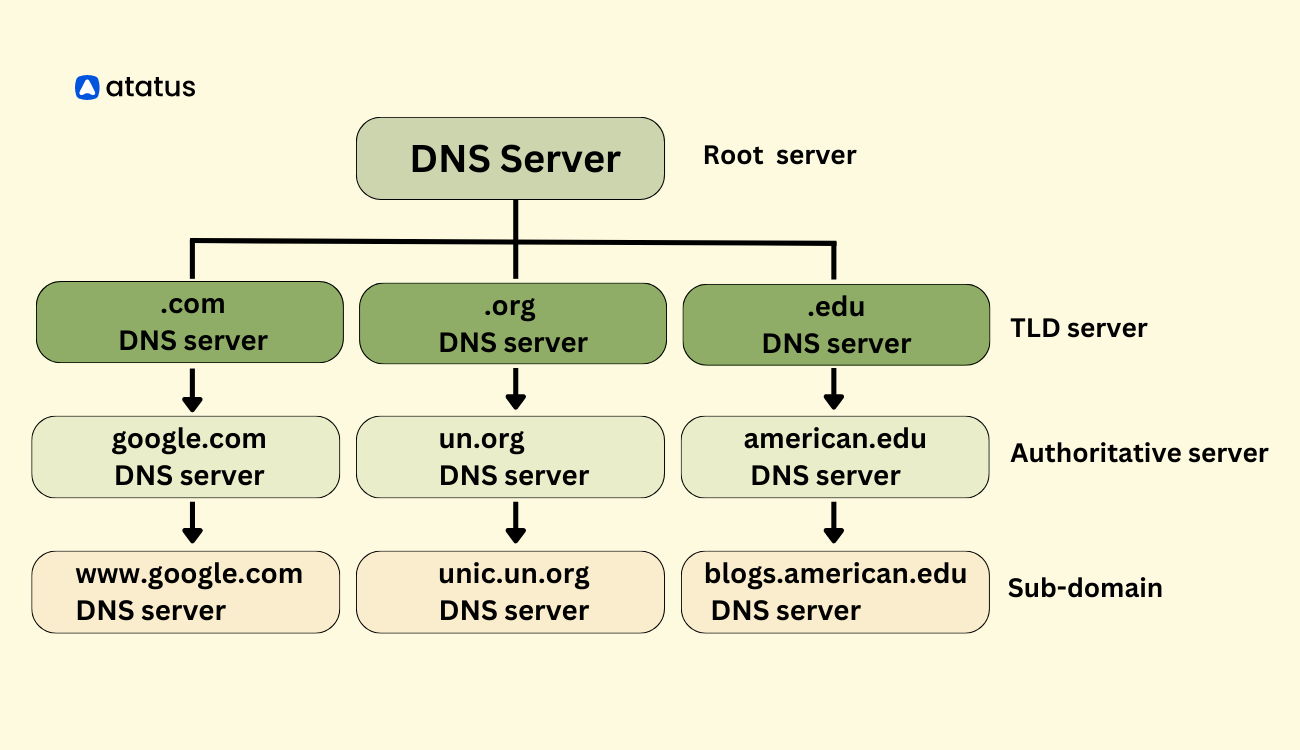 ## Why Domain Analysis Matters More Than Ever The modern enterprise rarely runs on a single domain. A large company may own hundreds or thousands of domains and subdomains across cloud platforms, regional markets, product lines, and marketing campaigns. https://jsitestatus.com/ Some are active, some are dormant, and some are forgotten after a rebrand or acquisition. Attackers actively search for these gaps. A strong **Domain Analysis** process typically examines registration records, DNS configurations, SSL/TLS certificates, mail exchange settings, hosting relationships, and historical ownership changes. This matters because small misconfigurations can have outsized impact. For example, if a domain’s SPF, DKIM, or DMARC records are absent or misaligned, an attacker can spoof trusted email and impersonate internal departments or vendors. Google and Yahoo both moved to stricter sender requirements in 2024 for high-volume mail, reflecting how seriously email authentication is now treated across the industry. Domain visibility is also essential for cloud migration. As organizations move workloads to AWS, Microsoft Azure, and Google Cloud, they often create temporary subdomains, testing endpoints, and external services that never get documented properly. Those forgotten assets become liabilities once certificates expire or DNS records are left pointing to abandoned infrastructure. ## The Role of Digital Resources in Investigation and Defense Security teams rely heavily on **Digital Resources** to perform fast, accurate analysis. These resources include WHOIS and RDAP records, passive DNS data, certificate transparency logs, threat intelligence feeds, ASN mapping tools, content delivery network records, and open-source intelligence platforms. Combined, they reveal patterns that would be invisible if analysts looked at only one source. For example, certificate transparency logs can expose subdomains that were never listed in internal documentation. Passive DNS can show where a domain resolved last month, even if it now points elsewhere. RDAP data can help verify ownership changes and registrar history. When combined with web archives and security scanners, these **Digital Resources** help teams answer practical questions: Is this domain still active? Was it recently registered by an attacker? Does it resemble a known brand? Is it hosting a login page or redirect chain? A real-world example is domain impersonation in finance. Fraudsters often register domains that differ by one character, such as swapping “rn” for “m” or adding a hyphen in the middle of a brand name. These are not random tricks; they exploit speed and habit. Employees scanning an inbox are unlikely to notice the difference, especially on mobile devices. Domain monitoring tools that compare new registrations against trademarked names can catch these threats early, sometimes within hours of registration. ## What Effective Domain Analysis Looks Like A mature workflow starts with discovery, then validation, then prioritization. Discovery identifies every domain and subdomain linked to the organization. Validation checks whether each one is authorized, active, and secured. Prioritization ranks the riskiest assets first: externally facing login portals, mail-related domains, customer portals, and domains with expired or weak certificates. – Inventory all owned domains, subdomains, parked domains, and related third-party assets. – Check DNS records, certificate status, email authentication settings, and hosting endpoints. – Compare public records with internal asset management systems. – Flag lookalike registrations, typosquats, and newly created domains that match brand terms. – Monitor changes continuously rather than relying on quarterly audits. That last point matters. Domain risk is dynamic. A subdomain created during a product launch can be forgotten in a week. A marketing campaign can leave behind dozens of short-lived landing pages. A cloud migration can shift services to new IP ranges overnight. Static spreadsheets cannot keep up. ## Market Trends and Operational Reality The domain security market is growing because organizations are recognizing that identity protection extends beyond logins and endpoints. In recent years, enterprises have increased spending on attack surface management, external asset discovery, and brand monitoring tools. The rise of remote work after 2020 accelerated this trend, since email, SaaS, and browser-based applications became even more central to daily operations. There is also a compliance dimension. Regulators and auditors increasingly expect organizations to know what internet-facing assets they own and how those assets are protected. That includes validating TLS hygiene, reducing exposed services, and documenting domain ownership across business units. In sectors such as banking, healthcare, and e-commerce, a single compromised domain can trigger customer harm, fraud losses, and incident response costs that far exceed the price of monitoring. ## Practical Takeaways for Security and IT Teams Domain work becomes far more effective when it is tied to business processes. New product launches should include domain registration review. Mergers and acquisitions should trigger a full DNS and certificate inventory. Marketing should coordinate with security before publishing campaign microsites. IT should retire unused domains instead of letting them expire unpredictably, because abandoned domains can be re-registered and weaponized. Teams that combine **Domain Analysis** with high-quality **Digital Resources** usually detect problems earlier and remediate them faster. The goal is not just to know which domains exist. It is to understand which ones matter, which ones are exposed, and which ones could be turned against the organization if left unchecked.